Tree Removal Metairie: Why Experience Matters in High-Risk Jobs

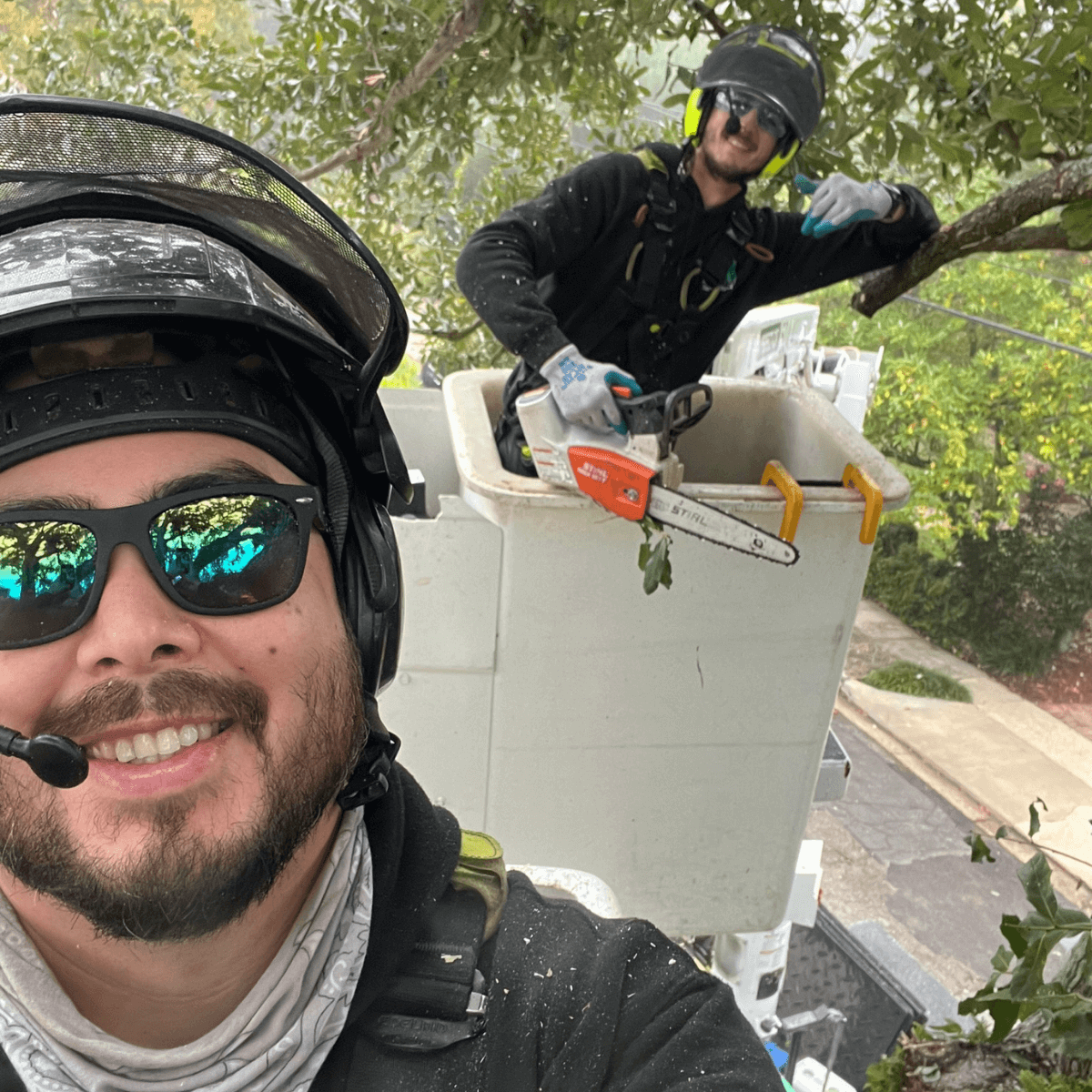
A tree can shade a roof for decades, frame a front yard, and outlast multiple owners. It can also split without warning, lean over power lines, hollow out from the inside, or drop a limb that weighs as much as a motorcycle. That tension is what makes tree work so different from ordinary yard maintenance. Pruning shrubs and mowing turf reward effort. Removing a large tree, especially in a place like Metairie where homes sit close together and weather can turn rough fast, demands judgment under pressure.
People often notice the final cut. They watch the trunk come down or see the crane lift sections over a fence. What they do not always see is the long chain of decisions behind that moment. The real skill in tree removal is not just operating a saw. It is reading compression and tension in wood fibers, understanding how decay changes a hinge, knowing when a rope system will help and when it will create a bigger hazard, and recognizing the point where a tree is no longer a climbing job and becomes a crane job or a bucket job.
That is why experience matters so much in tree removal Metairie homeowners call for after storms, after root damage, or when a once-healthy tree starts to fail. High-risk work punishes small mistakes. A cut that is off by an inch, a rigging point chosen too casually, or a misread lean can turn an ordinary day into a broken roof, a damaged service line, or a trip to the emergency room.
The margin for error is smaller than most people think
From the street, a removal can look simple. A crew arrives with a chipper, a truck, climbing gear, and chainsaws. Branches come off, wood gets lowered, and the stump remains. But the real variables sit overhead and underground.
A mature oak or pine can carry thousands of pounds in an uneven, shifting structure. One limb may be solid while the union above it is compromised. A trunk may appear sturdy until a climber sinks a gaff and finds punky wood beneath the bark. Wind changes the job. So does saturated soil. So does a detached garage, a narrow gate, a delicate garden wall, or a service drop crossing directly through the work zone.
In Metairie, tight property lines make everything more technical. There is often no easy landing zone. Backyard access may be restricted to a single gate. Neighboring roofs, pool enclosures, sheds, and parked vehicles create layers of exposure. Add the Gulf Coast pattern of heavy rain, strong seasonal storms, and trees that have endured repeated wind loading over the years, and the removal becomes less about brute force and more about sequencing and restraint.
Experienced crews approach that setting with a different mindset. They are not eager to "get cutting." They slow down first. They walk the site. They look at the root flare, crown balance, previous pruning wounds, included bark, fungal activity, utility conflicts, and the natural lean of the stem. They think through where each piece can travel if the plan goes wrong, not just if the plan goes right.
Experience shows up long before the saw starts
One of the clearest differences between a seasoned crew and an inexperienced one is what happens during the estimate. A veteran sees more in ten minutes than a novice may see all day. That does not mean theatrics or jargon. It means asking the right questions and noticing the right details.
Has the tree been struck before? Did the homeowner recently change the grade or pour concrete near the root zone? Are there signs of lightning, carpenter ants, or old storm tears? Is the canopy sparse on one side because of decline, or because it has been reaching around structures for light? Has the tree already dropped heavy wood during past storms? These clues shape the method.
The removal plan may change completely based on those answers. A tree with sound wood and good tie-in points might be climbed and dismantled in sections. A brittle, dead tree over a house may require a crane because climbing it creates more risk than it solves. A backyard with poor access may need a compact loader to move wood without tearing up drainage or fencing. Experience is not just confidence. It is the discipline to choose the safer, slower, and sometimes less profitable method when conditions call for it.
I have seen property owners get multiple quotes and wonder why one bid is dramatically cheaper. Often the difference is not efficiency. It is omission. The lower number may leave out traffic control, utility coordination, stump grinding, crane use, debris hauling, or adequate manpower. Sometimes it reflects a plan that assumes everything will go perfectly. Tree work rarely rewards that assumption.
Dangerous trees rarely fail in neat, predictable ways
Healthy wood has a language. It bends, loads, and releases with some consistency. Defective wood lies. It can look acceptable from one angle and fail from another. Cracks can be hidden behind bark ridges. Decay columns may run much farther than the visible cavity suggests. A codominant stem with included bark can split vertically under rigging load even if it held its own weight for years.
This is where judgment, earned over time, matters more than equipment alone. Modern gear is excellent. Better ropes, friction devices, helmets, communication systems, and saw safety features have improved the trade. But tools cannot replace the ability to read a compromised tree.
Take a storm-damaged water oak hanging over a driveway. The tree removal metairie aperfectcuttree.com branch that worries the homeowner may not be the most dangerous part. The real problem may be a secondary union near the trunk that has already started to unzip. An inexperienced cutter may remove brush from the outside in, accidentally unloading the crown in a way that shifts force back onto that weak union. An experienced climber sees the order of operations more clearly. He may leave certain limbs in place temporarily because they stabilize the structure while another hazard is addressed first.
That kind of sequencing does not show up well on social media clips. It is not flashy. It is what keeps jobs from going sideways.
Storm regions expose weak habits
Metairie and the surrounding area know what wind can do. Even when a storm does not knock a tree down outright, it may leave hidden damage behind. Root plates can move and settle back enough that the tree still stands, but the anchorage is compromised. Limbs can twist, crack, and hold together just enough to fool someone working beneath them. Salt exposure, wet soils, and repeat stress add up over time.
After major weather events, demand spikes. Homeowners want access cleared, roofs protected, and dangerous hangers removed quickly. This is exactly when inexperience becomes costly. Under schedule pressure, weak crews rush setup, underestimate forces, and skip the boring parts like exclusion zones, communication checks, and debris management.
The best storm-response crews tend to be calm, not dramatic. They establish who is in charge of the cut, who is watching the line, where the chipper feed path runs, where pedestrians are being kept out, and how to stop the operation if conditions change. They also know when not to touch a tree at all until utility providers address energized lines or unstable poles.
That restraint is a mark of professionalism. Plenty of damage happens because someone wanted to be helpful five minutes too early.
Why insurance and qualifications are not paperwork trivia
Homeowners sometimes treat insurance certificates and crew qualifications as box-checking. In tree work, they are practical indicators of whether a company takes risk seriously. A firm that invests in training, proper coverage, maintained equipment, and competent supervision usually operates differently in the field.
That does not mean every expensive company is excellent or every small local operator is careless. Tree work has plenty of highly skilled small crews. But high-risk jobs leave a trail when corners are cut. Equipment goes unmaintained. Grounds workers stand in bad positions. Tops get free-dropped where they should be rigged. Stumps get left higher than promised. Lawns get rutted because access planning was an afterthought.
A qualified crew is usually easier to spot than people think. They communicate clearly. They can explain why a tree should come out, why it might be retained, or why a partial reduction will not solve the problem. They are specific about what the price includes. They talk about drop zones, rigging, access, cleanup, and what they will do if they encounter decay or bees or hidden metal in the trunk. They do not promise the impossible.
When someone says, "We can just top it and it will be fine," or, "That lean does not matter," experience should make you cautious, not reassured.
The real job is risk management, not just removal
At its best, tree removal is controlled problem-solving. The team is constantly balancing competing goals. They want the tree down efficiently, but not at the expense of safety. They want to protect the landscape, but not so cautiously that they expose workers to unnecessary climbing time. They want clean cuts and tidy debris flow, but they also need to adapt if the wood behaves differently than expected.
That balancing act is why seasoned crews often look almost methodical to the point of being slow. They are measuring twice in real time. If a piece is heavier than expected, they change the plan. If the rope angle creates swing toward a roofline, they reset. If the climber finds decay where a primary tie-in was supposed to go, they come back down and reconsider. Experience makes a crew faster over the course of a day because it reduces bad decisions, not because it encourages rushing.
One small example says a lot. On removals near structures, lowering brush is often more important than lowering logs. Most property damage comes from uncontrolled movement in the crown, not from the trunk section everyone is watching. Experienced ground workers know how to manage tails, control swing, and keep landing zones clear. Good removals are team performances. The climber may be the visible specialist, but the ground crew often determines whether the plan remains controlled.
A homeowner's cheapest mistake is asking better questions
If you are hiring for tree removal Metairie residents commonly need after disease, construction damage, or storm exposure, the quality of your questions affects the quality of the crew you end up with. Price matters, of course. But the goal is value under risk, not the lowest number on paper.
A useful conversation usually covers the following points:
- How will you remove this tree given the nearby roof, fence, or service line?
- What signs of decay or instability do you see, and how do they change the plan?
- Will you climb it, use a bucket, or bring in a crane, and why?
- What protection do you use for the lawn, driveway, and surrounding plants?
- What exactly is included in cleanup, wood hauling, and stump work?
These are not trick questions. A capable estimator should be able to answer them plainly. If the responses are vague, dismissive, or built around bravado, keep looking.
High-risk jobs expose the difference between confidence and competence
Tree work attracts confident personalities. There is nothing wrong with that. A climber needs composure aloft and decisiveness under pressure. But confidence without competence is one of the most dangerous combinations in this trade.
Competence looks less exciting from the outside. It looks like a saw being shut off so two workers can confirm the next step. It looks like a climber rejecting a convenient tie-in because the union is suspect. It looks like taking smaller wood than planned because the stem has more decay than expected. It looks like postponing a removal when gusts rise beyond the crew's comfort threshold.
That kind of restraint does not sell itself with swagger, but it is usually what separates a clean, uneventful job from a story the neighborhood talks about for years.
I remember one removal where the homeowner was frustrated that the crew spent nearly an hour staging plywood, moving patio furniture, and redirecting the work path before making the first cut. The tree was a large backyard pine leaning toward a rear addition with very little drop space. Halfway through the dismantle, a hidden seam opened in a top section under load. Because the crew had already adjusted their rigging and cleared the alternate path, the piece was caught and lowered without incident. Without that setup time, the same moment could have driven wood into the roof. What looked like delay at the beginning turned out to be the reason the day ended well.
Local conditions shape good judgment
Tree removal is never truly generic. Regional species, soils, weather patterns, and lot layouts influence the work. In the Metairie area, that means crews need to understand how local trees respond to saturated conditions, repeated wind exposure, and restricted root zones common in built-up neighborhoods. It also means knowing that some yards drain poorly, some access routes cannot support heavy equipment without protection, and some trees that appear recoverable are only standing because adjacent growth is holding them up.
Good local judgment also includes practical logistics. Can a crane even be positioned legally and safely on that street? Will the truck need boards to avoid cracking an older driveway? Is there enough room to swing sections without crossing a neighbor's airspace? Will cleanup require repeated passes through a narrow side yard where irrigation heads and AC lines are vulnerable? These are not glamorous questions, but they define professional execution.
A company that has worked the area for years usually develops a feel for these constraints. They know which assumptions fail most often. They know where storm cleanup becomes tangled with utility issues. They know that one extra laborer on the ground can save an hour of awkward dragging and reduce damage to property. Experience here is not abstract. It is local memory applied to the next job.
Sometimes the most experienced answer is not full removal
An experienced tree professional does not turn every concern into a removal sale. That matters because fear can lead homeowners to overreact. A tree with dead limbs may need pruning, not removal. A lean may be longstanding and stable. Surface roots lifting near a walk do not automatically mean the whole tree is failing. On the other hand, a tree that leafs out every spring can still be structurally dangerous if the trunk is compromised.
The point is discernment. Real expertise includes knowing when to preserve a tree, when to reduce load, when to monitor, and when removal is the responsible choice. Crews that remove trees for a living can still give balanced recommendations if they are grounded in arboricultural judgment rather than pure production.
For homeowners, that balance is reassuring. It means the advice is tied to the actual condition of the tree and the actual targets beneath it, not just to the size of the invoice.
What a well-run removal usually looks like
Most successful removals have a certain rhythm. The crew arrives with a plan, but not with a rigid script. Site hazards are reviewed. Equipment is staged so the work zone stays organized. The person making cuts and the person controlling the lowering system communicate directly. Debris moves steadily rather than piling into chaos. If conditions change, the pace changes too.
A well-run job also tends to leave the property owner with fewer surprises. If additional decay is found, the crew explains what that means. If access causes unavoidable lawn impact because the ground is saturated, that conversation happens early. If a stump grinder cannot fit through the gate and a different machine is needed, the homeowner hears about it before the final invoice.
Those details matter because risk in tree work is not limited to dramatic accidents. It also includes the smaller failures that sour a project, damaged beds, avoidable wall scrapes, hidden extra charges, or a half-finished cleanup at the end of a long day.
The best crews understand that the job is only done when the site is safe, clean, and honestly handed back to the owner.
Why experience earns its price
There is a reason veteran tree crews often charge more for difficult removals. You are not only paying for labor hours or equipment rental. You are paying for fewer unknowns. You are paying for better decisions at the exact moments when bad decisions become expensive. You are paying for the odds to tilt in your favor when the tree is large, compromised, or awkwardly positioned over things that matter.
That value becomes clearest on the jobs that almost go wrong, the hidden crack, the soft spar, the shifting wind, the buried wire, the overloaded limb. Experience does not make those realities disappear. It changes how they are recognized and handled.
For routine maintenance, a modest difference in skill may not show up dramatically. For high-risk removals, it can be the whole story. When a tree stands over a home, a family vehicle, a neighbor's fence, or a service line, you want the crew that has seen strange failures before and learned from them. You want the people who respect wood, gravity, weather, and the limits of their own plan.
That is why experience matters in tree removal, especially in dense residential settings like Metairie. It is not a slogan. It is the difference between hoping a job goes smoothly and hiring people who know how to make smooth outcomes far more likely.
A Perfect Cut Tree Service
4725 Shores Dr, Metairie, LA 70006
+1 504-732-0779
FAQ About tree removal metairie
What is the average cost of tree removal in my area?
There is no single price that fits every tree. Size, condition, access, nearby structures, equipment, debris hauling and stump work affect the estimate. Request a written, site-specific quote that identifies what is included.
Who will remove trees for free?
Free removal is not generally available for ordinary private-property tree work. Utilities or public agencies may handle trees within their responsibilities. Confirm eligibility directly and do not assume that an offer or assistance program covers your tree.
Can I just cut down a tree in my yard?
Check ownership, location and local requirements first. Jefferson Parish requires a permit for removal of qualifying vegetation in the public right-of-way, and additional protections may apply in designated areas. Ask the parish about your property and have a qualified tree professional assess the work.