Tree Removal Metairie for Multi-Tree Projects and Large Properties

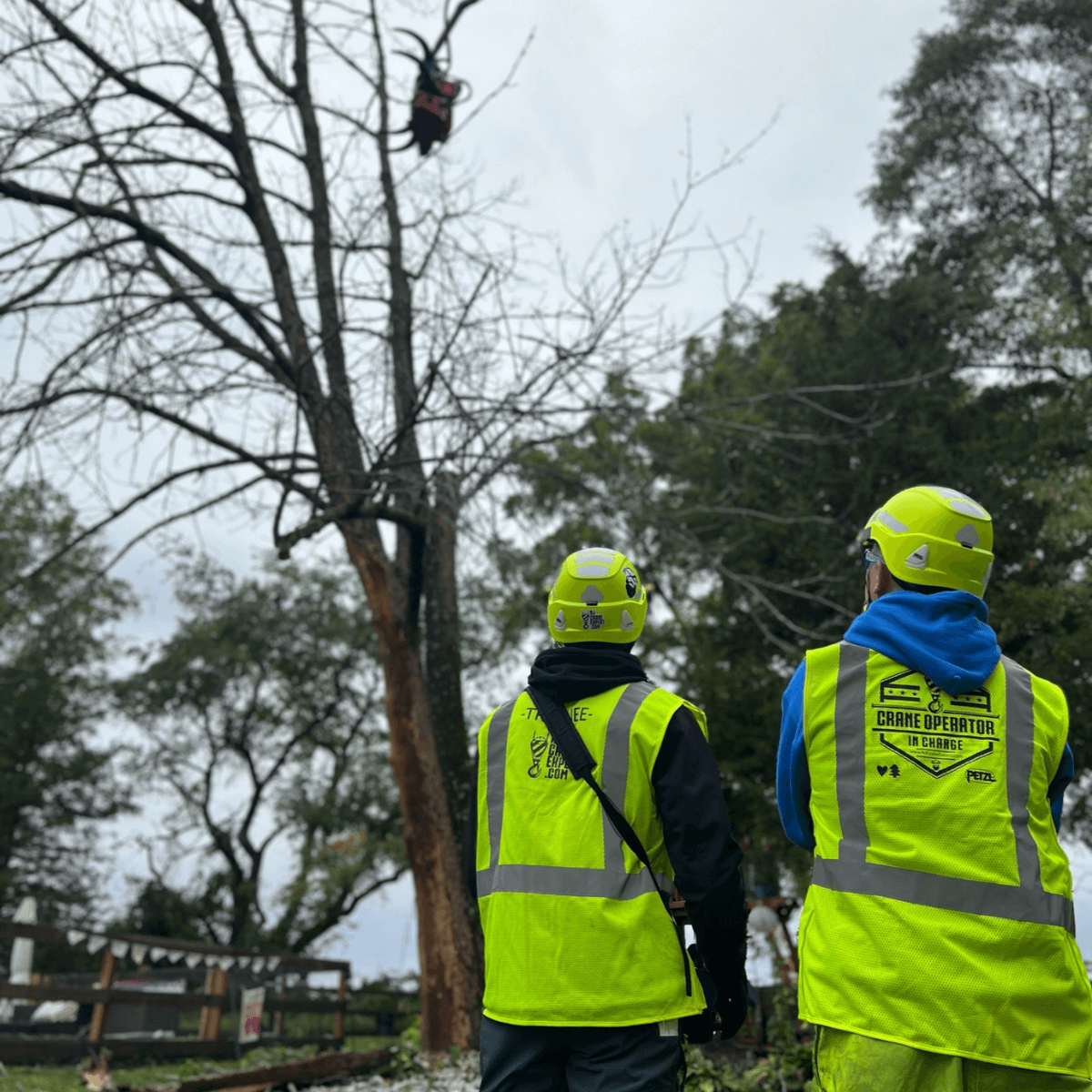
Managing tree removal on a large property is rarely about a single trunk and a chainsaw. On bigger residential lots, commercial campuses, apartment complexes, parks, and estates in Metairie, tree work becomes a planning exercise as much as a physical one. The size of the site changes everything. Access routes matter. Drainage matters. Utility lines matter. So does the order in which trees come down.
That is especially true when several trees need attention at the same time. One diseased oak tucked behind a fence is a straightforward job. Ten mature trees spread across a corner lot with a circular drive, overhead service lines, backyard structures, and soft ground after rain is a different assignment entirely. In those cases, the best results come from disciplined staging, experienced crews, and a clear understanding of what should be removed now, what can wait, and what needs protection during the process.
Property owners searching for tree removal Metairie services for larger projects often focus first on price. That makes sense, but cost only tells part of the story. On multi-tree work, sequencing, equipment selection, traffic flow, debris handling, and risk control have a direct effect on the total bill, the schedule, and the condition of the property afterward. A job that looks cheaper on paper can become expensive if the crew tears up irrigation, blocks access for tenants, or leaves you with stump and root problems that interfere with the next phase of work.
Why larger tree removal projects need a different approach
On a standard removal, a crew can usually isolate one work zone, rig down sections, chip brush, haul wood, and leave. Large properties add layers. There may be multiple structures, long fence lines, detached garages, drainage swales, ornamental beds, pool decks, parked vehicles, service entrances, and neighbors on several sides. The site can have healthy trees that need to stay, which means the removal plan must protect canopies and root zones while other trees are dismantled nearby.
I have seen plenty of projects where the actual cutting went smoothly, but the job still became a headache because the planning was thin. One commercial property had six removals spread around a parking area. The owner expected it to take one long day. The real issue was not the cutting itself. It was coordinating tenant parking, preserving a row of hollies along the drive, and preventing heavy equipment from rutting a low area near the storm drains. The removal had to be staggered over two days so the site stayed functional. That kind of adjustment is normal on larger jobs and should be anticipated early.
Metairie properties also present a local mix of challenges. Mature trees often share space with older homes, narrow side yards, slab patios, and utility placements that were never designed with crane access in mind. Add Gulf Coast weather patterns, saturated ground, and occasional storm damage, and it becomes clear why bigger removals require judgment rather than a one-size-fits-all method.
The first question is not how many trees, but which trees
When a property owner says, "I need twelve trees removed," the right response is not to start counting stumps. It is to evaluate why each tree is on the list. In multi-tree projects, not every tree carries the same urgency.
Some removals are safety driven. A tree may be dead, storm-split, hollow, leaning over a structure, or shedding large limbs. Other trees are being removed for construction access, solar exposure, drainage improvement, pest management, or landscape redesign. On larger properties, grouping all removals together can save mobilization costs, but it can also blur priorities. If you remove too aggressively, you may lose shade, privacy, or wind buffering that took decades to establish.
A careful contractor will separate the trees into categories. One group may need immediate removal because the risk is high. Another group may be candidates for reduction, structural pruning, or monitoring rather than full removal. A third group may need to come down only because a future project, such as a driveway expansion or building addition, requires the space.
That distinction matters financially. It also matters biologically. Large properties often have interconnected landscapes. Take out several mature trees without thinking through sun exposure, runoff, and understory response, tree removal metairie and the site can change fast. Grass may fail where it was never meant to grow, or beds may scorch after years of filtered shade. In low spots, extra runoff can expose roots on remaining trees or wash mulch and soil into hardscape.
Site logistics shape the price more than many owners expect
People understandably compare estimates by the number of trees. Crews tend to think in terms of labor hours, hazard level, access, and disposal volume. Two projects with the same number of removals can differ dramatically in complexity.
A straight shot from the street to a rear tree can make a difficult removal manageable. A narrow gate, septic area, decorative masonry, or overhead drop line can slow the job and require more rigging. If a crane can safely reach the work zone, removals may go faster and cause less collateral disturbance. If a crane cannot be used, the crew may need to dismantle trees in smaller pieces, which increases time aloft and extends cleanup.
Wood volume also drives pricing. Multi-tree jobs often include a mix of species and diameters, and not all wood handles the same way. Dense hardwood sections are slower to move than lighter material. A few large trunks can fill truck capacity quickly and affect haul schedules. Brush from sprawling canopies may take longer to process than the owner expects, even if the trunk diameter does not look dramatic from the ground.
On larger sites, there is also the question of travel within the property itself. If the crew spends half the day shuttling debris across a long lawn or around several buildings, productivity drops. Good planning reduces that wasted motion. Sometimes the smartest move is to create temporary staging zones so brush and wood can be consolidated before hauling. Sometimes it is worth bringing in additional equipment for one day rather than stretching the job over three.
Access can make or break a multi-tree project
Access is where experience shows. You do not judge it from the street. You walk the whole site. You look at turning radius, grade changes, buried utilities, soft spots, decorative surfaces, low branches that could interfere with equipment, and where debris can be staged without blocking normal use.
On residential estates and long lots, the back half of the property often tells a different story than the front. A crew may have room to park trucks out front yet no practical route for heavy machinery to reach the removal area. In that case, the contractor has to decide whether to hand-carry material, use smaller specialty equipment, set up a crane from a neighboring access point if permissible, or adjust the scope and schedule around ground conditions.
Soft ground deserves special attention in Metairie. A dry lawn can carry machines one week and sink the next after rain. Even when turf damage is unavoidable, there is a difference between minor compression that recovers and deep rutting that alters drainage. Large removals should account for ground protection, especially near swales, tree roots that must remain intact, and paved surfaces with uncertain load capacity.
Choosing the right order of operations
The sequence of removals affects safety, efficiency, and cleanup quality. This is one of the biggest differences between a disciplined multi-tree project and a rushed one.
A crew may choose to remove central trees first to create room for equipment and rigging. On another site, the outside perimeter gets cleared first so debris can travel out without crossing sensitive areas. Trees leaning over structures may be tackled early while the crew is fresh and weather is stable. Trees that shelter others from wind might be left until later to avoid changing load patterns on damaged stems during the job.
One large residential project comes to mind where the owner wanted the most visible front-yard trees removed first. It was understandable. Those were the trees he saw every day, and they made the property look neglected. But the better strategy was to start in the rear corner, where access for equipment was tight. Once those stems were gone, the crew could use the new corridor to remove the front and side trees with less drag time, fewer turns, and cleaner ground conditions. The final result was faster, cheaper, and easier on the lawn.
When owners look for tree removal Metairie crews for a multi-tree assignment, this kind of sequencing is what they are really paying for. Anyone can quote a count. Fewer teams can map the work in a way that reduces total disruption.
How tree condition changes the removal plan
Healthy trees removed for construction are one thing. Storm-damaged, decayed, or partially uprooted trees are another. On large properties, both often show up in the same project. The removal strategy has to adapt tree by tree.
A sound tree can tolerate standard rigging points and predictable cuts. A compromised tree may not. Internal decay, root failure, included bark, lightning damage, or previous topping can all eliminate options that look acceptable from the ground. That may require a lift, a crane, or a more conservative piece-by-piece dismantling approach. It may also affect where crews are allowed to stand, where ropes can be anchored, and how close equipment can safely get.
When multiple damaged trees are involved, there is often pressure to clear everything immediately. That is understandable after a storm or after visible decline has spread through part of the property. Still, triage matters. The most dangerous tree is not always the ugliest one. A tree that appears half alive may actually be stable for the short term, while a greener tree with hidden root plate movement could be the urgent hazard. Multi-tree jobs benefit from calm evaluation, not panic scheduling.
Protecting the parts of the landscape that stay
On large properties, removal work is often judged less by the trees that came down than by the condition of everything around them afterward. That includes driveways, lawns, beds, irrigation lines, fences, retaining edges, lighting, and nearby trees that were never supposed to be touched.
Tree roots do not respect neat boundaries. If a machine repeatedly tracks over the root zone of a preserved tree, decline can show up months later. If heavy wood is dropped carelessly onto a compacted lawn near drainage structures, the owner may be left with standing water after every storm. If stumps are ground without checking for utilities or hardscape conflicts, repairs can outweigh the removal savings.
Good crews think ahead. They identify protected zones. They discuss where wood can be lowered and where it cannot. They coordinate with the owner about irrigation shutoffs, gate removal, parked vehicles, pets, and any surfaces that need plywood, mats, or alternate routing. Large projects do not have to leave a property looking like a work yard for weeks, but that outcome requires attention before the first cut.
What owners should clarify before work begins
A short conversation at the start prevents many expensive misunderstandings later. On a large project, small assumptions multiply.
- Confirm exactly which trees are being removed, marked by location or paint, not just described loosely.
- Ask how access will work, including gate width, equipment type, and whether lawn protection is planned.
- Clarify what happens to wood, chips, and stumps, because removal, hauling, and grinding are not always bundled the same way.
- Establish how adjacent features will be protected, especially irrigation, fences, lighting, and paved areas.
- Discuss scheduling in realistic terms, including what weather delays or wet ground might change.
That is one of the few places where a simple checklist genuinely helps. The rest is best covered in plain conversation while standing on the site.
Stump removal is not an afterthought on big sites
After a multi-tree project, stumps can become the next obstacle. On large properties, owners sometimes postpone grinding to save money up front, then discover that the stumps interfere with mowing patterns, grading work, replanting, drainage correction, or future construction.
Whether stumps should be ground immediately depends on the larger plan. If a site will be excavated for construction in the near future, it may be smarter to coordinate stump handling with that work. If the property needs to remain clean and usable, prompt grinding usually makes sense. The key is understanding how deep the grinding needs to go for the intended use. A shallow pass for turf restoration is different from preparation for hardscape or foundation work.
Roots matter too. Owners often expect every root to disappear with the stump. That is rarely necessary and often not practical. Surface roots in conflict zones may need targeted treatment, but broad root extraction across a large area can cause unnecessary disturbance. On some sites, leaving nonproblematic roots to decompose naturally is the better choice.
Multi-tree removal for commercial properties and managed sites
Commercial and institutional properties have another layer of complexity: people. Tenants, employees, customers, students, patients, and delivery traffic all continue moving while the work is underway. That changes how the project should be staged.
A shopping center may need removals done before stores open or in sections that preserve parking. An apartment complex may require tenant notices and restricted work near balconies or play areas. A school or medical site might need strict timing around drop-off zones and emergency access. In these settings, the cost of disruption can rival the cost of the tree work itself.
For managed sites, cleanup standards also tend to be tree removal metairie higher. Brush piles left overnight may not be acceptable. Noise windows may be tighter. Signage and barricades become part of the job. The best contractors understand that on these properties, professionalism is visible in logistics as much as in cutting skill.
Timing the project around weather, nesting, and property use
Owners often ask for the soonest possible date, and sometimes that is necessary. But large projects benefit from strategic timing. Ground conditions after heavy rain can turn a manageable site into a muddy repair project. High seasonal use of outdoor spaces can make access impractical. Even routine constraints, such as family events, move-ins, construction deliveries, or landscape installations, can affect the schedule.
There are also biological and regulatory considerations depending on the site and season. While removal work is common year-round, the right timing can reduce stress on retained trees, improve visibility for inspection, and simplify cleanup. A practical contractor will talk through these trade-offs rather than force every project into the same calendar slot.
For example, one large backyard removal is far easier before a new fence is installed. Another may be better delayed until a wet corner dries enough to support equipment. On a commercial site, a weekend shutdown might be worth more than a lower weekday rate if it keeps traffic control simple and avoids tenant complaints.
Cost savings that are real, and cost savings that backfire
There are legitimate efficiencies in grouping tree work. Mobilization is shared. Equipment can stay on site. Debris hauling can be consolidated. The crew can solve the property as a whole rather than as a series of isolated visits. That is often the strongest argument for bundling removals on large lots.
But some shortcuts create more cost later. Removing trees without a sitewide plan can leave inaccessible stumps, damaged irrigation, torn turf, or remaining hazards that still require another mobilization. Choosing a contractor solely because they promise to "get it all done in one day" can be risky if the property actually needs phased work to stay safe and manageable.
The smartest savings usually come from scope clarity. Decide what truly needs removal now. Combine tasks that share access and equipment. Coordinate stump work, hauling, and restoration intentionally. Avoid vague proposals that leave room for surprise charges when the crew arrives and discovers the rear lot is unreachable after rain or the side gate is six inches too narrow for the machine they planned to use.
What a well-run project looks like from the owner's perspective
From the outside, a good multi-tree removal project can look almost uneventful. The crew arrives with a plan. Equipment goes where it was supposed to go. Trees come down in a logical sequence. Debris moves steadily instead of piling up chaotically. Questions are answered before they become conflicts. At the end of each day, the property still feels controlled.
That kind of result is usually built before work begins. It comes from a detailed site visit, a realistic estimate, and honest discussion about trade-offs. Sometimes the best answer is to phase the work over multiple visits. Sometimes the best answer is to bring in a crane for half a day because it reduces lawn damage and labor exposure. Sometimes it is worth preserving one mature tree and redesigning around it rather than removing it simply because it shares a row with problem trees.
Those are the judgments that separate ordinary cutting from professional tree removal Metairie service on large properties. For owners managing estates, campuses, rental properties, or any site with multiple removals, the value lies in coordination, not just clearance. Trees can be removed efficiently, safely, and with respect for the rest of the property, but only if the project is treated as a complete operation rather than a stack of individual jobs.
The long view after the trees are gone
Once the removals are complete, the property enters a second phase. Light patterns shift. Wind movement changes. Some areas feel larger. Others feel exposed. This is the point where owners should walk the site again and think beyond what was removed.
A large property may need selective replanting, grading touch-ups, irrigation repair, or pruning on remaining trees that were previously crowded. If several mature specimens were removed, the landscape can benefit from staged replacement rather than a rushed effort to fill every open space immediately. Young trees establish better when species, spacing, drainage, and long-term scale are thought through carefully.
That is why big removal jobs should never be viewed only as subtraction. They are also a reset point. Done well, they reduce hazard, improve function, and create room for healthier growth and better use of the site. Done poorly, they leave avoidable scars.
For owners facing a substantial project, the path is straightforward even if the work itself is complex: evaluate carefully, define priorities, plan access, protect what stays, and choose a crew that understands how large properties behave under real working conditions. That is the practical core of successful tree removal in Metairie, especially when more than one tree is involved and the property itself is part of the challenge.
A Perfect Cut Tree Service
4725 Shores Dr, Metairie, LA 70006
+1 504-732-0779
FAQ About tree removal metairie
What is the average cost of tree removal in my area?
There is no single price that fits every tree. Size, condition, access, nearby structures, equipment, debris hauling and stump work affect the estimate. Request a written, site-specific quote that identifies what is included.
Who will remove trees for free?
Free removal is not generally available for ordinary private-property tree work. Utilities or public agencies may handle trees within their responsibilities. Confirm eligibility directly and do not assume that an offer or assistance program covers your tree.
Can I just cut down a tree in my yard?
Check ownership, location and local requirements first. Jefferson Parish requires a permit for removal of qualifying vegetation in the public right-of-way, and additional protections may apply in designated areas. Ask the parish about your property and have a qualified tree professional assess the work.